
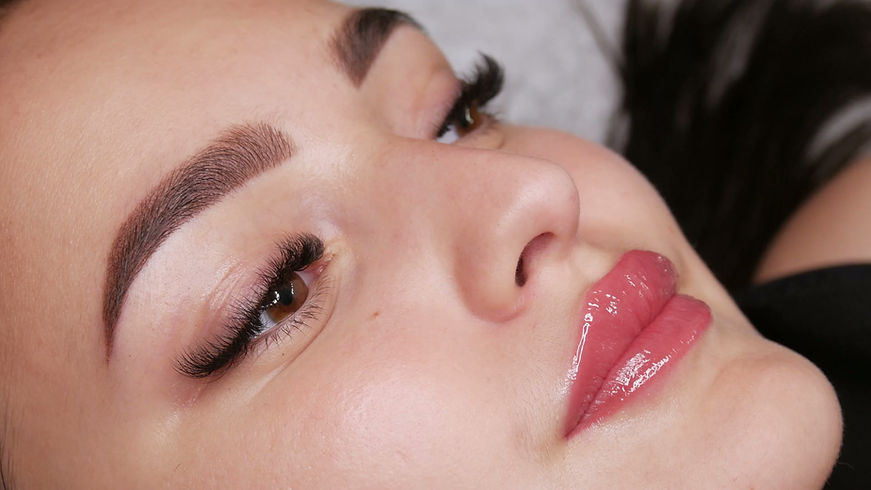


How to Choose the Right Microblading Technique for Your Brows
Brows can change the whole balance of a face. The tricky part is that “better brows” does not mean the same thing for everyone. Some people want soft, natural fullness. Others want a clean makeup look that holds its shape every morning. The right technique depends on skin type, brow hair, lifestyle, and how bold you want the result to look.
Microblading is often used as a catch-all word, but brow studios may offer several related techniques: classic hair strokes, nano brows, powder brows, ombré brows, and combination brows. Each one heals differently, ages differently, and suits different kinds of brows.
This guide breaks down the main options so you can walk into a consultation with clear questions and realistic expectations.

Start with the result you want to see every day
Before comparing techniques, picture the brows you want to wake up with. This matters more than the beauty trend of the moment.
Some brow styles look almost undetectable. Others look polished, like a soft pencil or powder fill. Neither is better. They just serve different preferences.
Ask yourself:
Do you usually wear brow makeup?
Do you like visible shape and definition?
Do you prefer fluffy and natural brows?
Are your brows sparse in small areas or thin from end to end?
Do you want to correct asymmetry?
Are you comfortable with regular upkeep?
If you normally wear little or no makeup, a very dark or structured brow may feel too strong once healed. If you fill in your brows every day, soft hair strokes alone may feel too subtle.
A good artist will not choose based only on a photo. They will look at your natural brows, face shape, skin, and old brow work if you have any. Inspiration photos help, but your own features should lead the decision.
The most flattering brow is not always the most dramatic one. It is the one that looks believable on your face after it heals.
Know the main brow techniques before you choose
Most semi-permanent brow methods fall into a few categories. Studios may use slightly different names, but the core ideas are similar.
Technique | Best for | Finished look | Main thing to know |
Classic hair strokes | Normal to dry skin with some natural brow hair | Fine, hair-like lines | Very natural when done well |
Nano brows | Many skin types, including some oilier skin | Crisp machine-made hair strokes | Often gentler-looking as it heals |
Powder brows | Sparse brows, oily skin, makeup lovers | Soft shaded brow makeup effect | Usually lasts more evenly than strokes |
Ombré brows | Clients who want a soft front and defined tail | Gradient shading | Lighter at the front, fuller at the arch and tail |
Combination brows | Patchy brows or mixed goals | Hair strokes plus shading | Good balance of natural and defined |
Classic hair-stroke brows create a natural, feathered effect
Classic hair-stroke brows are what many people think of first. The artist uses a manual tool to place fine pigment strokes that mimic brow hairs. The goal is a soft, realistic pattern, especially in areas where brow hair is missing.
This can be a beautiful choice if:
Your skin is normal to dry
You already have some brow hair
You want natural fullness, not a makeup look
Your missing areas are small or moderate
The challenge is that fine strokes may blur over time, especially on oily skin or skin with larger pores. If the strokes are placed too close together, they can heal into a shaded block instead of staying crisp.
Classic strokes also need enough natural brow hair to blend with. On very sparse brows, individual strokes may look more obvious because there is not much real hair around them.
Nano brows use a machine for fine hair strokes
Nano brows are also designed to look like individual hairs, but the artist uses a machine with a fine needle rather than a manual blade. Many clients choose this option when they want the hair-stroke look with a method that may suit a wider range of skin types.
Nano work can be a strong option if:
You want natural detail
Your skin is slightly oily
You have delicate or mature skin
You want fine strokes with less manual pressure
The artist’s skill matters a lot here. Nano brows should follow the direction of your natural hair growth. If every stroke looks identical or too perfectly spaced, the result can look drawn on.
Nano brows can be especially helpful for filling gaps, extending a short brow tail, or building a soft front without making the whole brow look heavy.

Powder brows give a soft makeup finish
Powder brows use shading instead of individual strokes. The result can look like soft brow powder, faded pencil, or a more filled-in brow, depending on the pigment, density, and shape.
This technique often works well if:
You have oily or combination skin
Your brows are very sparse
You like wearing brow makeup
You want a more even healed result
You want visible shape without sharp drawn-on edges
Powder brows do not have to look heavy. A skilled artist can create a soft, airy finish. The front can stay light while the tail and lower line hold more definition.
This option is often a good match for people who are tired of filling in the full brow every morning. It can also help when hair strokes would not blend well because there is limited natural hair.
Ombré brows create a gradient from soft to defined
Ombré brows are a type of powder brow with a lighter front and a more defined arch and tail. The effect is similar to softly filled makeup that fades naturally near the inner brow.
This can be flattering because real brows are rarely the same density from front to tail. The lighter front keeps the brow from looking boxed in, while the deeper tail gives structure.
Ombré brows may be right if:
You like a polished but not harsh brow
You want better shape and symmetry
Your brow tails are thin or missing
You prefer a soft gradient instead of visible strokes
The key is restraint. A heavy front can make ombré brows look dated. A soft front with gradual buildup tends to heal more naturally.
Combination brows offer both texture and definition
Combination brows, sometimes called combo brows, use hair strokes and shading together. The artist may place strokes at the front for a natural look, then add shading through the middle and tail for fullness.
This option is helpful when one technique alone will not solve the whole brow concern.
Choose combination brows if:
Your fronts need softness but your tails need structure
You have patchy brows with uneven density
You like natural texture and a filled-in finish
You want more definition than strokes alone can give
Combo brows are popular because they sit between natural and polished. They can be customized heavily, which makes the consultation especially important. Ask where the artist plans to use strokes, where they plan to shade, and how dark the healed result is expected to look.
Match the technique to your skin type
Skin type plays a major role in how pigment heals. This is one of the biggest reasons a technique that looks great on one person may not work as well on another.
Normal to dry skin
Normal to dry skin often holds fine hair strokes better. If your skin is not very oily and your pores are small to moderate, classic strokes or nano brows may heal with more visible detail.
Dry skin can still be delicate, so pressure and depth matter. If the artist works too deeply, healed strokes may look blurred or cool-toned.
Oily or combination skin
Oily skin can soften fine lines faster. Hair strokes may heal powdery, spread slightly, or fade unevenly. That does not mean oily skin cannot have beautiful brows. It just means shading-based techniques often age more predictably.
Powder, ombré, or combination brows may be better choices because they do not rely on ultra-crisp lines to look good.
Mature or thin skin
Mature skin often needs a gentle approach. Very sharp, dense strokes can heal unpredictably if the skin is thin or fragile. Nano brows or soft powder brows may be more suitable than aggressive manual work.
The shape also matters. A lifted but natural brow can refresh the face, while a very high arch can look severe.
Sensitive or reactive skin
If your skin reacts easily, talk with the artist before booking. Ask about patch testing, pigments, numbing products, and aftercare. Skin conditions around the brow area should be calm before any cosmetic tattooing service.
This guide is for general information only. For medical concerns, medication questions, allergies, pregnancy, nursing, or a history of keloid scarring, speak with a qualified health professional before scheduling.

Factor in maintenance and how brows age
Fresh brows are not the final result. Color softens as the skin heals, and most brow tattooing services require a follow-up appointment after the first session. This visit lets the artist adjust color, fill areas that healed lighter, and refine the shape.
Different techniques also age in different ways.
Hair-stroke styles can look very natural at first, but the lines may soften over time. Powder and ombré brows may fade more evenly because the design is based on shading rather than individual marks. Combination brows can age well when the artist keeps the strokes airy and the shading soft.
Lifestyle affects fading too. Sun exposure, exfoliating skin care, retinoids near the brow area, frequent sweating, and oily skin can all influence how long the color looks fresh.
To help your brows age well:
Follow aftercare exactly
Avoid picking flakes during healing
Keep strong exfoliants away from the brow area unless your artist says otherwise
Use sun protection once healed
Schedule color refreshes only when needed
More touch-ups are not always better. Adding pigment too often can make brows look dense, gray, or muddy over time. A conservative artist will think about your brows not only this year, but several years from now.
Choose the artist as carefully as the technique
The technique matters, but the artist matters more. A great powder brow is better than a poorly done hair-stroke brow, even if hair strokes were your first choice.
Look for healed results, not just fresh photos. Fresh pigment often looks sharp and beautiful because the skin has not healed yet. Healed photos show the true quality of the work.
When reviewing a portfolio, look for:
Brows that suit different face shapes
Soft fronts, not harsh blocks
Balanced arches that do not sit too high
Pigment that heals to a flattering tone
Strokes that follow natural hair growth
Shading that looks smooth, not patchy
During the consultation, a strong artist should explain why they recommend one method over another. They should also tell you if your desired technique is not the best match for your skin.
Good consultation questions include:
Which technique do you recommend for my skin type?
How will this look once healed?
Where will you add the most density?
How do you choose the pigment color?
Can I see healed work on a client with similar brows?
What should I avoid before and after the appointment?
What happens if my skin heals lighter than expected?
Pay attention to whether the artist listens. Brows sit in the center of the face. You should feel comfortable asking questions before anyone starts mapping.
Use your natural brow pattern as the guide
The most believable brows work with what is already there. That includes hair direction, bone structure, spacing, and facial expression.
A common mistake is choosing a brow from a photo without considering whether it fits the face. A straight brow, high arch, long tail, or dense front can look beautiful on one person and unbalanced on another.
Strong mapping should check:
Where the brow naturally starts
Where the arch works with the brow bone
How far the tail can extend without dragging the eye down
Whether both brows look like siblings, not exact copies
How the shape looks when the face is relaxed and expressive
Perfect symmetry is not always possible because faces are not perfectly symmetrical. The goal is balance. A tiny difference between brows often looks more natural than forcing both into an identical stencil.
Color should also respect your natural features. The pigment should relate to your brow hair and skin undertone. Going too dark can make even a soft technique look harsh. Going too warm or too cool can heal in a way that feels off once the brows settle.

A simple way to narrow down your choice
If you feel stuck, use this quick guide as a starting point.
Choose classic hair strokes if you want the most natural look, have normal to dry skin, and already have enough brow hair for the strokes to blend.
Choose nano brows if you want fine hair-like detail but need a technique that may be more flexible for your skin type or brow condition.
Choose powder brows if you like a softly filled makeup look, have oily skin, or want more even coverage across sparse brows.
Choose ombré brows if you want a soft front with a more defined arch and tail.
Choose combination brows if you want both realistic texture and extra fullness, especially when your brows are patchy or uneven.
The best choice may also change based on previous brow work. If you have old pigment, hair strokes may not show clearly over it. In that case, a correction, removal, or powder-based approach may be more realistic. An experienced artist should tell you what is possible before accepting the appointment.
The right brow technique should feel like a fit, not a gamble
Choosing the right brow technique starts with honest expectations. Think about your daily style, skin type, natural brow hair, and how much definition feels comfortable on your face. Then find an artist who can explain the “why” behind the recommendation.
Beautiful brows are not just about the trendiest method. They come from the right match between technique, skin, shape, color, and long-term care.
If you remember one thing, make it this: choose the healed result you want, not just the fresh photo you like. That single shift will help you make a calmer, smarter decision for your brows.
Book Your Appointment
Ready to enhance your beauty? Schedule your appointment today!


Comments