
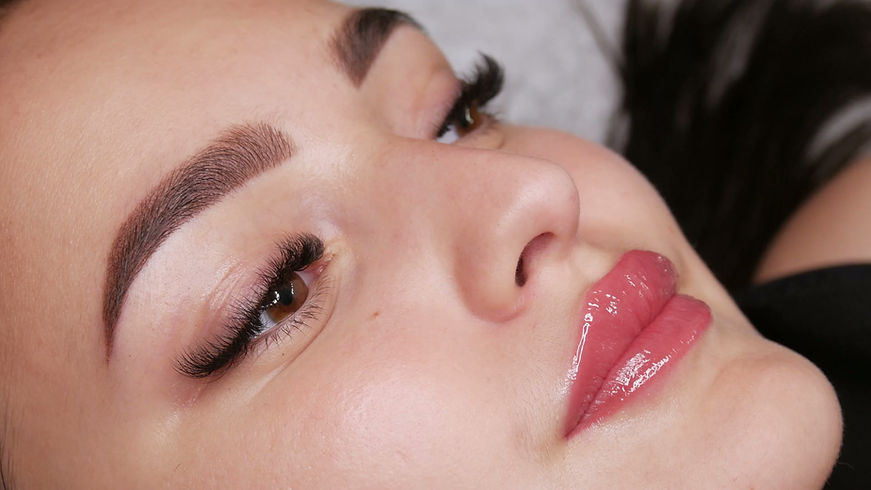


Brow Lamination vs Microblading Understanding Techniques Benefits and Maintenance Differences
Eyebrows frame the face and can dramatically change your appearance. Many people seek ways to enhance their brows, but with so many options available, it can be confusing to choose the right treatment. Two popular methods are brow lamination and microblading. Both offer unique benefits and results, but they work very differently. This post will explain each procedure clearly, compare their techniques, benefits, and maintenance, and help you decide which option suits your needs best.
What Is Brow Lamination?
Brow lamination is a non-invasive beauty treatment designed to smooth and set eyebrow hairs in place. It works by applying a chemical solution that softens the hair, allowing the technician to brush and shape the brows in a uniform direction. After the hairs are set, a neutralizer locks the shape in place.
How Brow Lamination Works
The technician applies a lifting cream to soften the brow hairs.
Hairs are brushed upward or in the desired direction.
A setting lotion fixes the hairs in place.
Nourishing oils are applied to condition the brows.
This process creates a fuller, more defined look by making the hairs appear thicker and more uniform.
Benefits of Brow Lamination
Creates a polished, groomed appearance without makeup.
Ideal for people with sparse or unruly brows.
Enhances natural brow shape without tinting or tattooing.
Quick procedure, usually completed within 30 to 45 minutes.
Results last about 6 to 8 weeks.
Typical Results
Brow lamination gives a sleek, brushed-up look that lasts for weeks. It can make thin or patchy brows look fuller by repositioning the hairs. The effect is natural and subtle, enhancing your existing brows rather than changing their color or shape drastically.

What Is Microblading?
Microblading is a semi-permanent cosmetic tattooing technique that uses a handheld tool with tiny needles to deposit pigment into the skin. This method creates fine, hair-like strokes that mimic natural eyebrow hairs.
How Microblading Works
The technician maps out the desired brow shape.
A numbing cream is applied to reduce discomfort.
Using a microblade tool, pigment is implanted into the upper layers of the skin.
The process takes about 2 hours, including consultation and aftercare instructions.
Benefits of Microblading
Creates the appearance of fuller, well-defined brows.
Ideal for people with very sparse or no eyebrow hair.
Customizable shape and color to match your natural brows.
Long-lasting results, typically 12 to 18 months.
Saves time on daily makeup application.
Typical Results
Microblading produces natural-looking, hair-like strokes that blend with your real brows. The pigment fades gradually over time, requiring touch-ups to maintain the look. It can fill in gaps, reshape brows, or create a completely new brow line.

Key Differences in Techniques
| Aspect | Brow Lamination | Microblading
|--------------------- |------------------------------------ |--------------------------------------
| Procedure Type | Chemical treatment on hair |Semi-permanent tattooing on skin
| Duration | 30-45 minutes |Around 2 hours
| Pain Level | Minimal, no needles |Mild discomfort due to needles
| Effect on Hair | Repositions & smooths hairs|Adds pigment for hair-like strokes
| Color Change | No | Yes, pigment added
| Invasiveness | Non-invasive | Minimally invasive
Maintenance and Longevity
Brow lamination requires less maintenance but has a shorter lifespan. The results last about 6 to 8 weeks, after which the hairs return to their natural position. To keep brows looking fresh, you can repeat the treatment every 2 months.
Microblading lasts much longer, from 12 to 18 months, but requires more care during healing and periodic touch-ups. After the initial procedure, avoid excessive sun exposure, swimming, and heavy sweating for about 10 days. Touch-ups every 12 months help maintain pigment vibrancy and shape.
Daily Care Tips
For lamination: Avoid rubbing or wetting brows excessively for 24 hours after treatment.
For microblading: Keep the area clean and moisturized with recommended ointments.
Can Brow Lamination and Microblading Be Done Together?
Some people wonder if they can combine both treatments for maximum effect. The answer depends on your natural brows and skin condition.
If you have sparse brows: Microblading can create the shape and fill in gaps, then lamination can smooth and set the hairs for a polished look.
If you have thick brows: Lamination alone might be enough to tame and shape them.
Precautions: It’s best to wait at least 4 weeks after microblading before getting lamination to allow the skin to heal fully.
Always consult a professional to assess your skin type and brow condition before combining treatments.
Choosing the Right Treatment for You
Consider these factors when deciding between brow lamination and microblading:
Desired look: Lamination enhances natural hairs; microblading adds pigment and shape.
Time commitment: Lamination is quicker with less downtime; microblading requires healing and touch-ups.
Skin sensitivity: Microblading involves needles and pigment, which may not suit sensitive skin.
Budget: Microblading is more expensive upfront but lasts longer; lamination is more affordable but needs regular sessions.
Maintenance willingness: Lamination needs frequent appointments; microblading requires careful aftercare and occasional touch-ups.
Call to book your appt 702.937.8327


Comments